When is the Best Time to Visit Cape Town? A Seasonal Breakdown
Whether you want beach weather in January, whale watching in September, or cosy wine tastings in June — find your perfect season here.
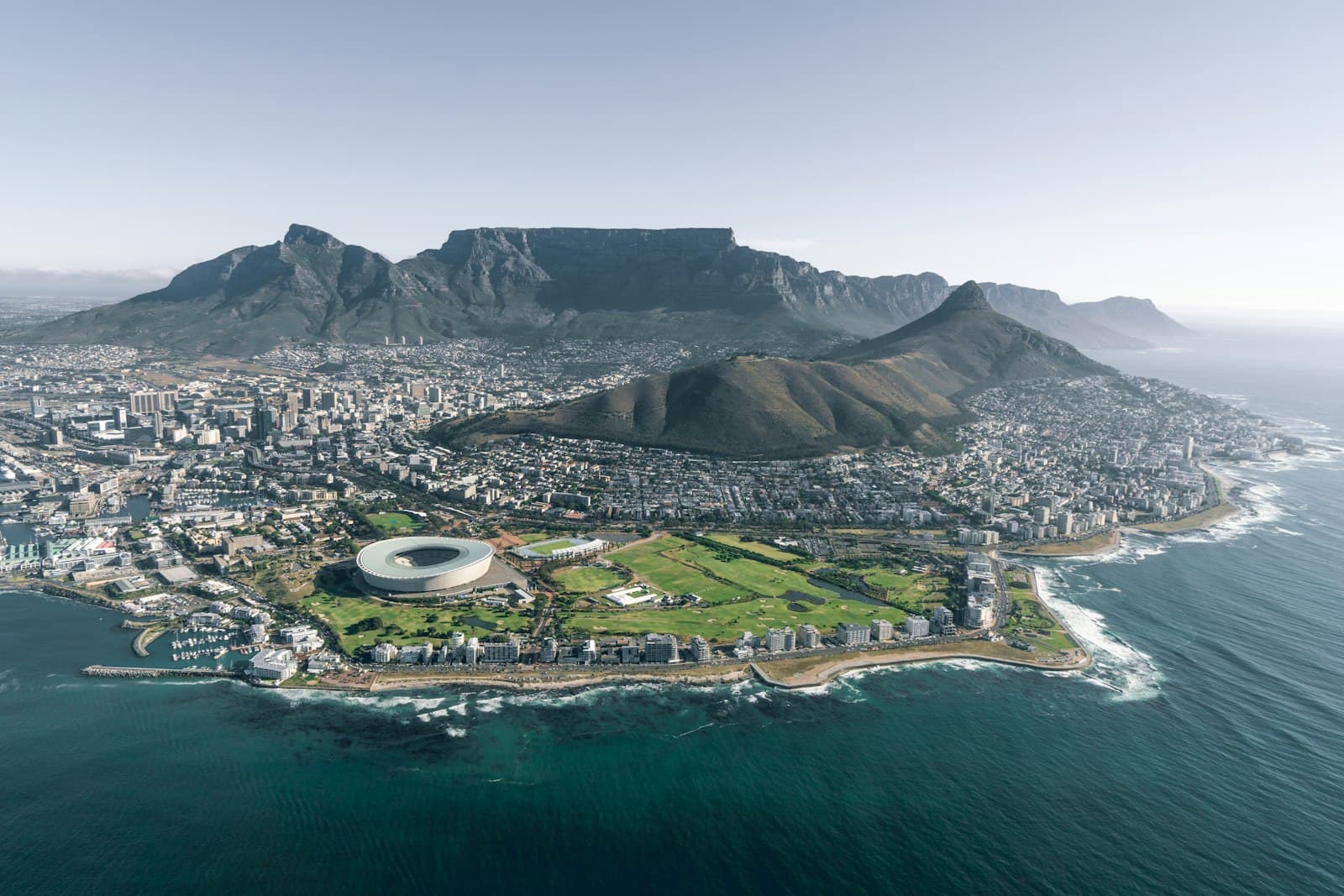
One of the most common questions we hear from travellers is simple: "When is the best time to visit Cape Town?" The honest answer is that the Mother City is a genuine year-round destination — but each season has its own distinct personality. The "best" time depends entirely on what you want to see and do. Here is an honest, local breakdown to help you choose.
Summer (December – February): sun, sea and celebration
Cape Town summers are warm, dry and gloriously long. This is peak beach weather, with balmy evenings perfect for sundowners along the Atlantic seaboard. It is also peak tourist season, so flights, accommodation, tours and transfers should be booked well in advance. Expect the famous south-easterly wind, the "Cape Doctor," to sweep through and clear the skies.
Best for: beaches, outdoor dining, festivals, Cape Peninsula tours and long daylight hours.
Autumn (March – May): the locals' secret
Many Capetonians will quietly tell you autumn is the best-kept secret of the year. The fierce summer winds ease, the days stay warm, the crowds thin out and the Winelands burst into life with the grape harvest. Prices soften, and the light is beautiful for photography.
Best for: wine tours, hiking, photography and relaxed sightseeing without the peak-season crush.
Winter (June – August): green, dramatic and cosy
Cape Town's winters are cooler and wetter, but they are also wonderfully atmospheric. The landscape turns lush and green, dramatic clouds roll over Table Mountain, and there is nothing cosier than a fireside wine tasting. Crucially, winter is the start of whale season, when Southern Right whales arrive along the coast to calve.
Best for: whale watching, Winelands fireside tastings, indoor culture and lower-season value.
Spring (September – November): wildflowers and whales
Spring is arguably the most spectacular season of all. The West Coast erupts into a world-famous carpet of wildflowers, whales are still active in the bays, and the whole city wakes up after winter. Temperatures climb steadily and the energy is infectious.
Best for: West Coast wildflowers, whale watching, and beating the summer crowds.
A quick month-by-month cheat sheet
- Beaches and nightlife: December to February.
- Wine harvest and calm weather: March to May.
- Whale watching: June to November (peaking September and October).
- Wildflowers: August to September.
Whenever you come, we have you covered
The beauty of Cape Town is that there is always something extraordinary on offer. Our full range of day tours runs throughout the year, from the Cape Peninsula Circuit to Hermanus whale watching and the West Coast wildflowers. Tell us your travel dates and we will recommend the very best seasonal experiences to match.
Frequently asked questions
What is the cheapest time to visit Cape Town? Winter (June to August) and shoulder seasons such as autumn (March to May) typically offer the best value on flights, accommodation and tours, with smaller crowds as a bonus.
When can you see whales in Cape Town? Southern Right whales are usually visible from June to November, peaking around September and October along the coast at Hermanus and beyond.
Does it rain a lot in Cape Town? Cape Town has a Mediterranean climate, so most rain falls in winter. Summers are warm and dry, though the south-easterly wind is a regular summer feature.
Planning your trip? Explore our tours or message us on WhatsApp and let a local help you choose the perfect itinerary.
Written by April Tours Team